
Guide to Writing K-Pop Songs

K-Pop is a high energy, glossy style that’s built on teenage dreams, catchy hooks, pulsing rhythms, and a collision of Korean and English lyrics. Recently, the demand for this genre has exploded—more than doubling since 2020. There are definitely opportunities here for songwriters and music producers. So, let’s take a listen to a few monster hits from the current and classic K-Pop charts and look for shortcuts that will help you write and pitch in this style.

What is a K-Pop song?

The K-Pop genre features highly rhythmical melodies, memorable chorus hooks, stacked harmony vocals, and danceable grooves. While it clearly shares similarities with the U.S. boy bands of the 1990s, like Backstreet Boys and ’NSYNC, there is a kind of super-charged energy to today’s K-Pop hits. The tempo is faster, the song sections are shorter, and there’s a lot more phrase repetition.

To hear a great example of a current K-Pop hit, listen to I AM by the K-Pop girl group IVE on Youtube. (Turn on Closed Captioning to see the English language lyrics. It’s the tiny box with “CC” in the lower right of the YouTube video screen.
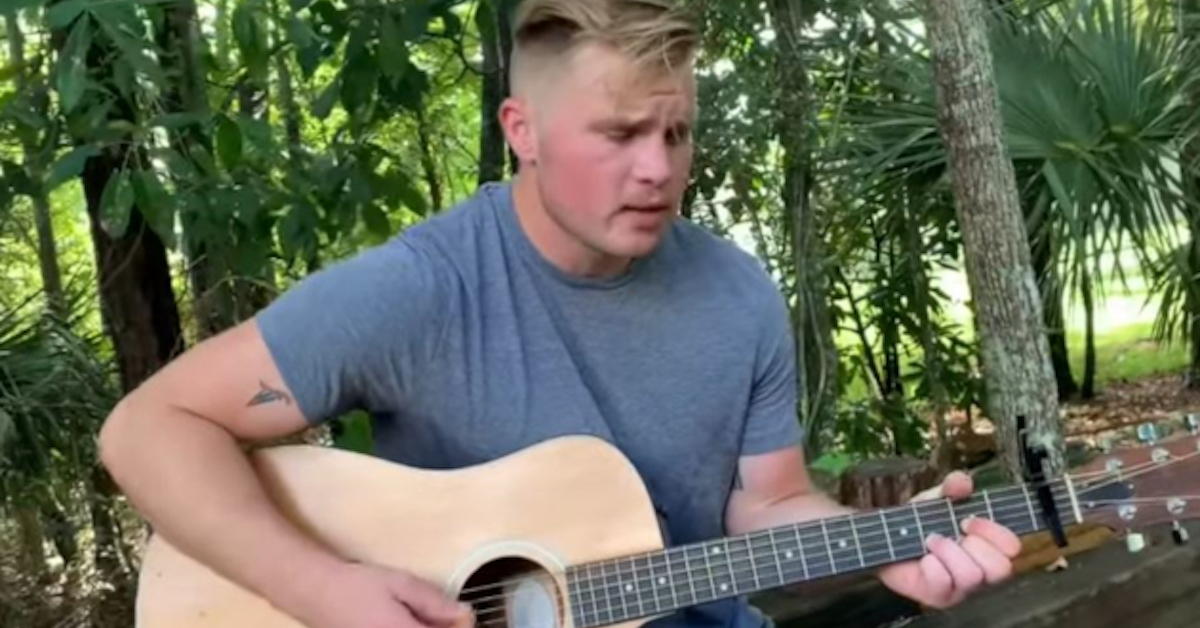

Song Guide: “Something In the Orange” by Zach Bryan

There are two versions of this song, both released by the artist. This Song Guide refers to “Something in the Orange,” not “Something in the Orange – Z & E’s version.” There are differences in production and vocal performance.

WHY THIS SONG?

“SOMETHING IN THE ORANGE” by Zach Bryan reached the top of the Hot Country music chart in 2022 and is currently nominated for a Grammy for Best Country Solo Performance.

When it was released, it raced up the charts like a Rock star single even though the artist had never had a major label release before and the song was wildly different from anything else in the current mainstream Country genre.

How did that happen? Well, it’s a beautiful, emotionally moving ballad, but that alone wouldn’t put it on top of the Contemporary Country charts. Instead, I suspect it had something to do with this artist having eight song placements and a cameo appearance on the hit TV series Yellowstone, the most watched TV show of 2022. Although this particular song was not used in that series, it was featured in two others (Fire Country and Big Sky). Audiences were primed for more from this artist.

Song Guide: “Bones” – Galantis & OneRepublic

Galantis

WHY THIS SONG

The song “Bones” by Galantis and OneRepublic has been successful in three different music markets: a Dance Club hit, a Pop/Dance Radio hit, and Film & TV placements. Like many Dance genre songs, this one is the product of several talents including Swedish production duo Galantis and Ryan Tedder of OneRepublic.

In fact, there are nine songwriters credited with writing this song. You’ll see crowds of songwriters like these on many Pop and Dance hits, and even some Country songs. These songs are the result of a songwriting process called toplining.

Your Songs In TV Commercials

I know TV commercials can be a major pain. But if you’re a songwriter, don’t hit that mute button just yet. Instead, take a little time to listen to the kinds of songs that are being used in today’s TV ads. There are opportunities there that you don’t want to miss.

Don’t have time to watch TV? For a quick and easy way to see TV ads with songs without actually watching any TV, visit websites like iSpot.tv and TVadvertMusic.com.

Are Country Hits Today’s Soft Rock?

SONG GUIDE: “Trouble With A Heartbreak” – Jason Aldean
SONG GUIDE: “Slow Down Summer” – Thomas Rhett

If you were a fan of Fleetwood Mac, Hall & Oates, Journey, or Richard Marx, then today’s Country hits are right up your alley. Like the Soft Rock hits of the ’70s through the ’90s, the Contemporary Country genre features memorable melodies with great hooks, well-crafted lyrics, and body-swaying, mid-tempo grooves.

“Trouble With A Heartbreak” by Jason Aldean and “Slow Down Summer” by Thomas Rhett reached #1 and #2 on the Country charts and I can’t help drawing a few comparisons to the big, melodic hits of the 1970s.

So let’s take a deeper look and see what gives these songs their huge appeal. Along the way, maybe we’ll be able to answer the question: Do they really share DNA with the soft rockers of past decades?